
Why Solar Power Is Lighting Up the Future of Rural Electrification in Kenya

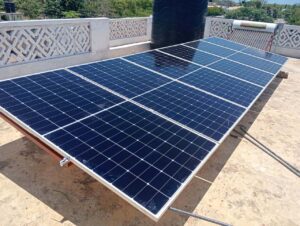
Kenya has made remarkable progress in expanding electricity access over the past decade, but a significant gap still exists between urban and rural communities. While cities enjoy stable grid connectivity, many rural areas remain in the dark, literally. Traditional grid extension is costly, slow, and often impractical in remote regions. This is where solar lighting up rural parts of Kenya is stepping in as a game-changing solution.
Solar energy is not just an alternative; it’s the future of rural electrification. Affordable, clean, and scalable, it has the power to bridge the energy gap, fuel economic growth, and transform lives across Kenya’s countryside.
1. The Rural Power Gap in Kenya
According to Kenya’s Ministry of Energy, over 70% of urban households are connected to the national grid, but rural access still lags behind. The challenge? Extending grid infrastructure to sparsely populated, remote areas is prohibitively expensive, requiring kilometers of power lines, transformers, and substations.
As a result, millions of rural homes, schools, and businesses still rely on kerosene lamps, firewood, and diesel generators , all of which are expensive, unsafe, and environmentally harmful.
Solar power changes this story completely. With off-grid solar systems, rural homes can now generate their own electricity, independent of grid limitations.
2. The Rise of Off-Grid Solar Systems
The beauty of solar energy lies in its simplicity. A single solar panel, inverter, and battery setup can power lighting, appliances, and even small businesses. In Kenya, off-grid solar systems have become increasingly affordable, thanks to technological innovation and local companies offering flexible payment plans.
Rural households are now able to install systems ranging from small solar home kits to larger 5kVA or 20kVA setups capable of powering entire farms, shops, schools, or dispensaries.
For instance, a farmer or a shop owner in any part of the country, can now run refrigerators, lights, and machinery using the sun, all without paying monthly electricity bills or worrying about blackouts.
3. Affordable and Sustainable Energy for All
Kenya’s rural communities often face two major challenges: unreliable electricity and high energy costs. Solar offers a permanent solution to both.
Once installed, solar systems require minimal maintenance and produce electricity for free. With Kenya’s abundant sunshine, averaging 5 to 7 peak sunlight hours daily, rural households can enjoy year-round power generation.
Moreover, government initiatives like the Kenya Off-Grid Solar Access Project (KOSAP) are helping make solar power more accessible through subsidies and financing options. This means even low-income households can now access reliable electricity and improve their quality of life.
4. Solar Energy and Economic Growth
Electrification is directly linked to economic development. When rural communities gain access to reliable power, opportunities multiply. Farmers can irrigate more efficiently, small businesses can operate longer hours, schools can offer digital learning, and health centers can store vaccines safely.
Solar power in Kenya is not just about lighting homes — it’s about powering livelihoods. It enables rural entrepreneurs to expand operations, reduces operational costs, and fosters job creation within local economies.
This ripple effect is helping drive Kenya’s vision of 100% clean energy access and rural empowerment.
Related Article: Why More Kenyan Homeowners Are Switching to Solar in 2026
5. Environmental and Health Benefits
Unlike diesel generators or kerosene lamps, solar energy produces zero emissions. This makes it not only eco-friendly but also healthier for rural families. By reducing indoor air pollution and cutting carbon emissions, solar systems contribute to a cleaner, greener Kenya.
Furthermore, widespread adoption of solar reduces dependence on fossil fuels, aligning with Kenya’s climate goals and international sustainability commitments.
6. The Road Ahead: A Solar-Powered Kenya
Kenya is already recognized as one of Africa’s leaders in renewable energy, with over 90% of its electricity generated from clean sources like hydro, geothermal, and solar. However, the real frontier for growth lies in rural electrification.
As technology becomes more efficient and affordable, the expansion of off-grid solar systems will continue to illuminate the most remote corners of the country, ensuring that no one is left behind in Kenya’s journey toward universal energy access.
Conclusion
Solar energy is more than just a power source , it’s a catalyst for transformation. By harnessing the sun, rural Kenya is gaining access to opportunities once limited to cities: education, healthcare, communication, and entrepreneurship.
With continuous innovation and support from both the private sector and government, solar power in Kenya is not only the future of rural electrification , it is the future of Kenya’s sustainable development.
For more detailed information, reach us via
Phone Number: 0759493610
Email: info@voltmaticenergysolutions.co.ke